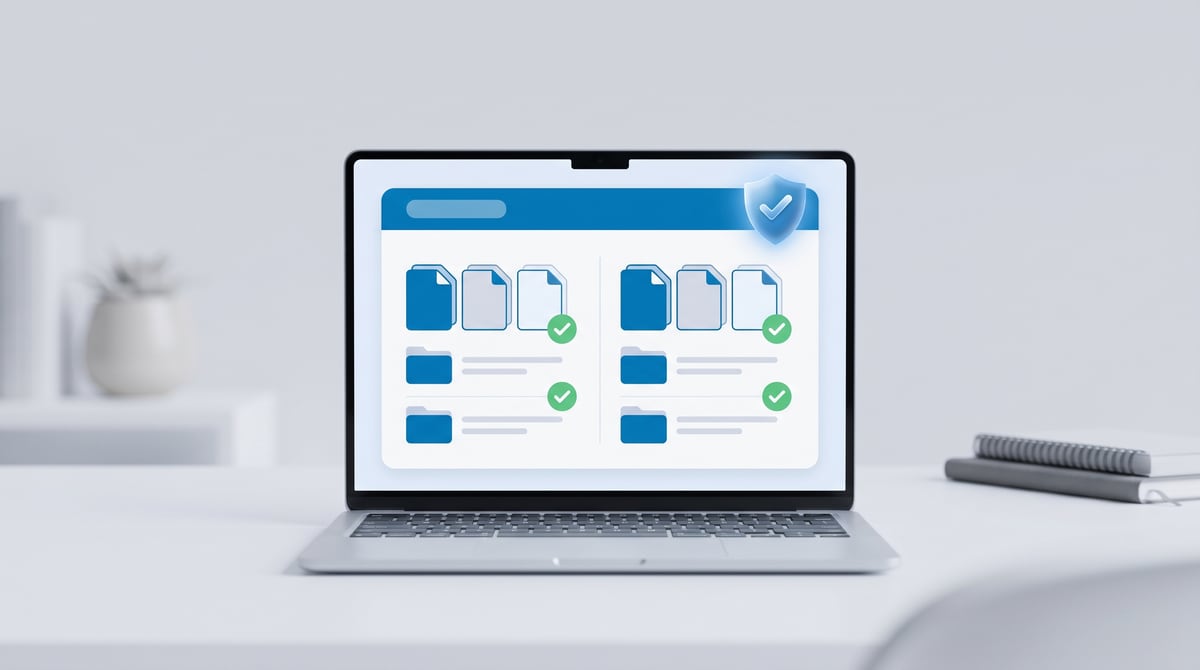
Why Client Portals Are Becoming Essential
Client portals are becoming more important in professional services.
Not because they sound modern.
Because they solve a very real problem.
Many firms still rely heavily on email to collect documents, request information, share files, track approvals, and follow up with clients. This may work when the volume of work is low, but it becomes difficult to manage as clients, deadlines, and documentation requirements increase.
A client portal gives both the firm and the client a more structured way to work together.
What a Client Portal Does
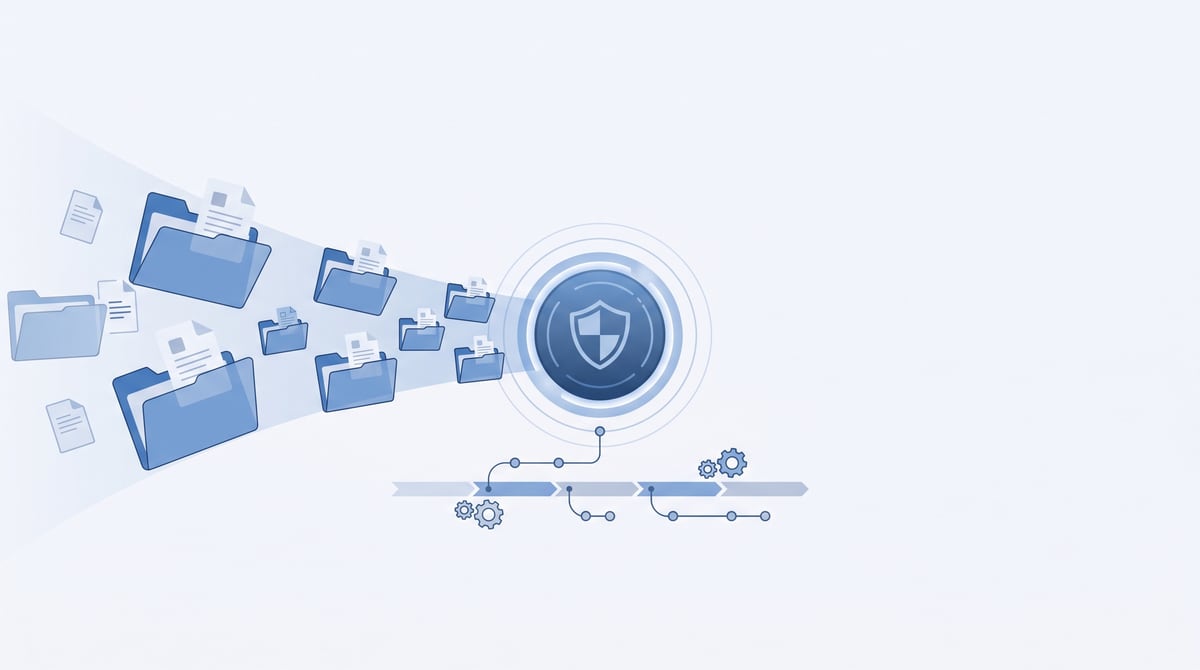
A client portal is a secure digital space where clients and firms can exchange information, upload documents, track requests, and manage communication more clearly.
Instead of sending files across multiple email threads, clients can upload documents directly to the correct place.
Instead of asking repeatedly what is still missing, the client can see pending items.
Instead of staff searching through inboxes, the firm can access organized records from one central location.
The value of a portal is not only convenience.
It is visibility.
Document Collection Becomes Easier
Document collection is one of the biggest challenges for accounting, audit, tax, and compliance work.
Firms often need bank statements, invoices, payroll records, contracts, KYC documents, management accounts, tax information, and supporting evidence.
When these are sent by email, documents can easily be missed, duplicated, misfiled, or saved in the wrong place.
A portal helps create a clearer process.
The firm can request specific documents. The client can upload them. The system can show what has been received and what remains outstanding.
This reduces confusion for both sides.
Clients Get Better Visibility
Clients do not always know what professional firms are doing in the background.
They may send documents and then wonder whether they were received. They may not know what is still pending. They may be unsure which deadline is approaching or which file is being reviewed.
A client portal helps reduce this uncertainty.
It can show:
- open requests,
- uploaded documents,
- pending information,
- deadlines,
- status updates,
- and key communications.
This makes the service feel more organized and transparent.
For clients, that matters.
Firms Reduce Repeated Follow-Ups
Without a portal, teams often spend a lot of time chasing documents.
They send reminders, search old emails, confirm whether files were received, and ask clients to resend documents that were misplaced or incomplete.
This is not the best use of professional time.
A portal can reduce repeated follow-ups by making requests clearer and easier to track.
The client knows what is needed. The firm knows what is missing. Everyone works from the same list.
This does not remove the need for communication, but it makes communication more focused.
The table below summarises the difference a portal makes across common day-to-day tasks.
| Task | Email-based process | With a client portal |
|---|---|---|
| Document collection | Files spread across threads, easily missed or misfiled | Documents uploaded directly to the correct place |
| Knowing what is outstanding | Repeated "what is still missing?" requests | Pending items visible to both sides |
| Following up | Manual reminders and resent files | Clearer requests that are easier to track |
| Compliance records | Reliance on inbox searches | Controlled records of requests, uploads, and reviews |
| Internal workflow | Staff searching for files | Organised records accessed from one location |
Portals are one part of a broader shift away from inbox-driven work and toward structured systems, the kind of capability built into our professional services platform and advisory support.
Client Portals Support Compliance
Professional service firms deal with sensitive information.
Financial records, identification documents, company records, payroll files, tax information, and audit evidence all need to be handled carefully.
A portal can support better compliance by creating a more controlled way to collect, store, and manage information.
It can help firms maintain clearer records of:
- what was requested,
- when it was uploaded,
- who provided it,
- what is still outstanding,
- and whether a file has been reviewed.
This is especially important for firms dealing with audit, accounting, KYC, AML, VAT, payroll, and tax work. Bringing this kind of structure to your records often begins with an honest accounting health check of how information currently flows through the business.
Portals Improve Internal Workflow
The benefit of a client portal is not only external.
It also helps the internal team.
When documents are organized properly, staff spend less time searching and more time reviewing. Managers can see progress more clearly. Teams can assign tasks more easily. Deadlines become easier to manage.
This helps firms move from reactive work to structured work.
Instead of constantly asking, "Did the client send this?" or "Where is that document?", the team can work from a central system.
That improves efficiency.
A Portal Does Not Replace Relationships
Some firms worry that digital systems may make the client relationship feel less personal.
That depends on how the portal is used.
A portal should not replace good communication. It should support it.
Clients still need advice, explanations, reminders, and human support. But they also need a simple way to provide information and understand what is happening.
A well-designed portal can make the relationship stronger because it removes unnecessary confusion.
The firm can spend less time chasing documents and more time providing value.
Why Portals Are Becoming Essential
Professional services are becoming more digital, more deadline-driven, and more compliance-focused.
Clients expect easier communication. Firms need better records. Teams need clearer workflows. Regulators and reviewers expect proper documentation.
Email alone is no longer enough for many firms.
A client portal helps bring order to the process.
It creates one place for requests, uploads, communication, and status tracking.
For growing firms, this is becoming less of a luxury and more of a necessity.
Conclusion
Client portals are becoming essential because professional service work depends on organized information.
When documents, requests, deadlines, and communication are scattered across email inboxes, work becomes harder to manage.
A portal gives firms and clients a clearer way to work together.
It improves visibility, reduces repeated follow-ups, supports compliance, and creates a smoother client experience.
The firms that adopt better digital processes will not only look more modern.
They will likely be easier to work with, more organized, and better prepared for the future of professional services. To discuss how a portal-based approach could work for your firm, get in touch with our team.